Breathwork
Breathwork
Make room for what’s been ready.
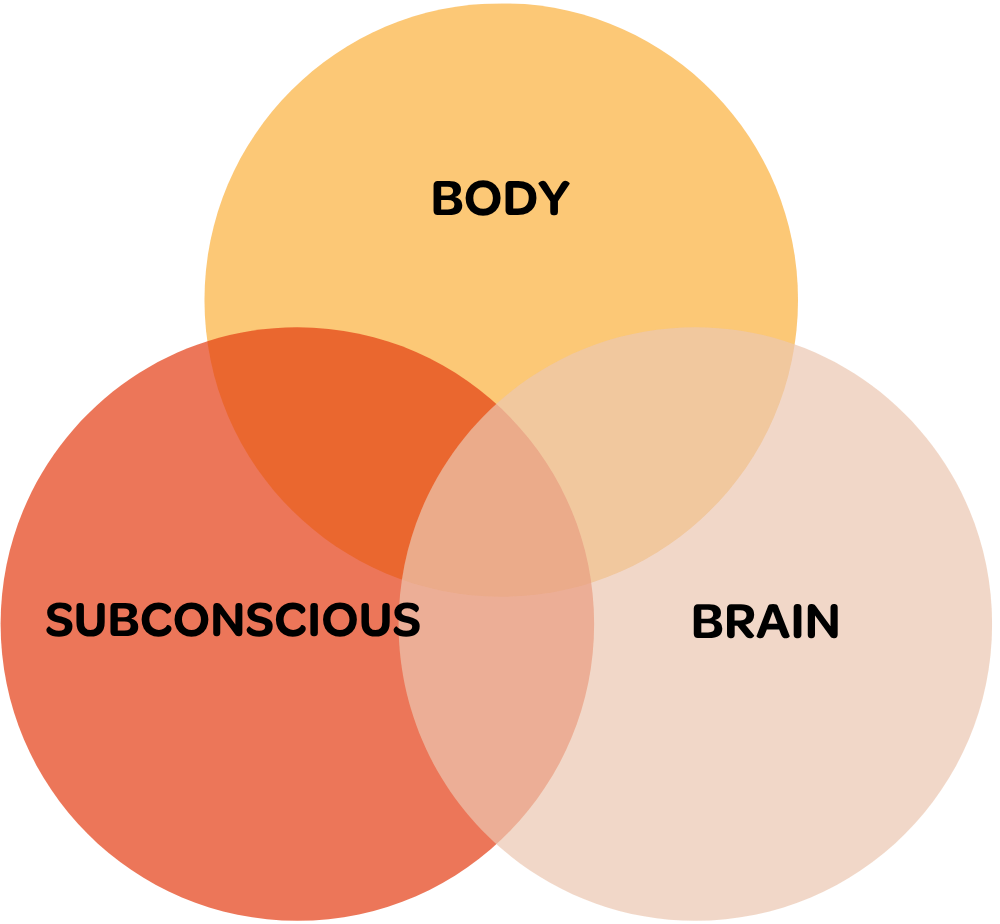
BReath is more than oxygen
It can help bring your inner world into conversation.
Body / Feels
Experiences emotion through sensation
Brain / Understands
Makes meaning of your experience
Subconscious / Remembers
Holds the childhood, intergenerational, and cultural context
Somatic Breathwork uses the breath to help these systems work together, creating space for insight, emotional release, integration.
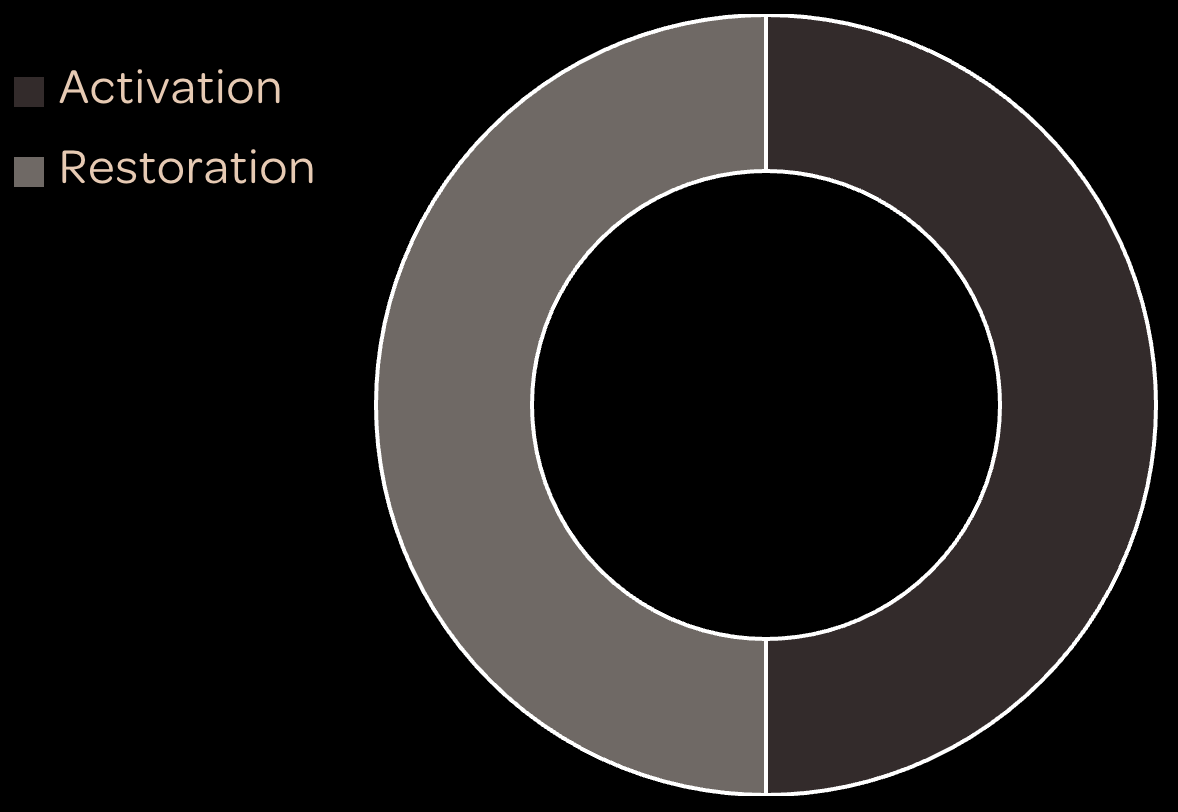
Arc of a session
Sessions have two phases: Activation + Restoration
Activation: Wakes the body up + makes space for whatever is stuck or buried
Restoration: Lets the nervous system rest, settle, and integrate
Breath Holds are scattered throughout to create space to observe
Frequently Asked Questions
-
Typical sessions are 90 minutes that include:
Opening Introduction
Breathwork Session (~1 hour)
Closing Shares
Participants are primarily laying down on mats while music is playing and the lights are dimmed.
-
No. Somatic breathwork is a wellness practice, not psychotherapy or medical treatment. It can complement therapy and other forms of healing, but it is not a replacement for mental health care or medical advice.
-
Breathwork can be supportive for people who want to:
Feel more connected to themselves
Better understand their emotions
Reduce stress and overwhelm
Build self-awareness
Explore personal growth
Develop a more compassionate relationship with their body
No prior experience is necessary.
-
Contraindications:
(if any of these apply, please reach out to discuss)
Breathwork can result in intense physical and emotional release; therefore, it is not recommended for individuals with a history of:
History of Seizures
Cardiovascular disease, including angina or heart attack
High blood pressure (untreated)
Glaucoma
Retinal detachment
Osteoporosis
Significant recent physical injuries or surgery.
Severe Mental Illness
Major Medications
When in doubt, it’s recommended to discuss concerns with a primary care physician or mental health support team.
-
I recommend:
Wearing comfortable clothing
Avoiding a large meal immediately beforehand
Having water nearby
Finding a quiet, comfortable space where you won’t be interrupted if you’re joining virtually
Using headphones if you’re joining virtually
Giving yourself a little time afterward to transition back into your day
-
There’s no one-size-fits-all answer. Some people practice weekly, others monthly, and some return whenever they feel they need space to reconnect with themselves.
A single session alone can be valuable, but many people find that consistency allows deeper patterns to emerge over time. -
The breathing is only part of the experience. Afterward, we spend time allowing your nervous system to settle and making space to notice what emerged in a group share.
It is optional, however integration is an important part of helping the experience become meaningful beyond the session, so it is recommended.
-
Somatic breathwork is a guided practice that uses intentional breathing to influence your nervous system and deepen awareness of your internal experience. By changing the way you breathe, you create an opportunity to notice sensations, emotions, thoughts, and patterns that may be difficult to access through thinking alone. It creates the conditions for your body and mind to communicate more clearly.
-
While meditation often emphasizes observing your experience without changing it, somatic breathwork intentionally shifts your physiological state through the breath. That shift can make emotions, sensations, memories, and insights more accessible, creating opportunities for greater self-awareness and emotional processing.
-
Yes. Breathing is one of the fastest ways we can influence the nervous system. Research shows that different breathing patterns can affect heart rate, stress physiology, emotional regulation, and the way the brain and body communicate. While everyone’s experience is unique, many people use breath-based practices to support resilience, reduce stress, and cultivate greater emotional wellbeing.
-
Supports nervous system regulation
Provides outlet for emotional release
Enhances focus, clarity, and mental flexibility
Helps prevent burnout and reduces stress
Builds body awareness and emotional intelligence
Trauma-informed and psychologically safe
Accessible to beginners with no prior experience
-
Every experience is different, and there isn’t a “right” way to experience breathwork.
You may notice:
A deep sense of calm or relaxation
Strong emotions or emotional release (either through sounds or movement)
Tingling, warmth, shaking, or other physical sensations
Mental clarity or new insights
Memories or imagery
A greater sense of connection to yourself
Sometimes the experience is very subtle. That can be just as meaningful!
Our goal is to meet our body where it is instead of where we want it to be. -
No. You remain awake, aware, and in control throughout the entire session. You can slow your breathing, return to a natural breath, or pause at any point. My role is to guide and support you. I won’t push you beyond what feels right for your nervous system.
Breathwork Session Options
1:1
Schedule a 1 on 1 session
Benefits:
Individualized attention
Privacy and space to go deep
OR
Group
Join a group session of 2-10 people (max 20)
Benefits:
Feel the energy of the whole group
Be witnessed by community
+
live
Meet in person for a live session
Benefits:
Powerful energetic co-regulation in a physical space
OR
Virtual
Meet over Zoom for a virtual session
Benefits:
Privacy and convenience of setting up in your own home
Book a discovery call
Let’s get to know each other and see if breathwork is the right fit!